Fluoride Treatment for Kids: A Parent's Complete Guide to Stronger, Healthier Teeth

Dr. Neha Deshpande Tambe
Chief Endodontist & Founder
What Is Fluoride Treatment?
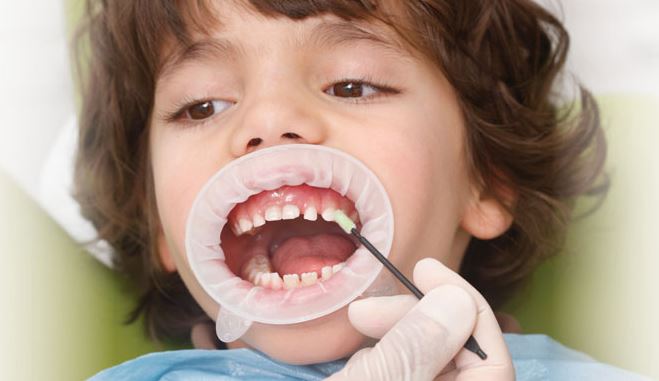
Fluoride treatment is a professional dental procedure where a concentrated fluoride solution is applied directly to your child's teeth. This quick, painless treatment strengthens tooth enamel and helps prevent cavities by making teeth more resistant to acid attacks from bacteria and sugars in the mouth.
The fluoride used in dental treatments is much more concentrated than what's found in toothpaste or drinking water, providing enhanced protection for developing teeth.
Why Do Kids Need Fluoride Treatment?
Children's teeth are particularly vulnerable to decay for several reasons. Baby teeth have thinner enamel than adult teeth, and kids are still learning proper brushing and flossing techniques. Additionally, children often consume more sugary foods and drinks, which increase cavity risk.
Fluoride treatment offers several important benefits for your child:
- Strengthens enamel: Fluoride remineralizes tooth enamel, making it harder and more resistant to decay
- Reverses early decay: It can actually repair teeth in the very early stages of cavity formation
- Reduces cavity risk: Studies show fluoride treatments can reduce cavities by up to 40%
- Protects permanent teeth: Treatment during childhood helps ensure permanent teeth emerge healthy and strong
- Cost-effective prevention: Regular fluoride treatments are far less expensive than treating cavities and other dental problems
When Should Kids Start Fluoride Treatment?
Most dentists recommend fluoride treatments beginning around age three, when a child can reliably spit out the fluoride and not swallow it. However, the exact timing depends on your child's individual cavity risk and your dentist's recommendation.
Children at higher risk for cavities may benefit from earlier or more frequent treatments. Risk factors include a history of cavities, poor oral hygiene, frequent snacking, orthodontic appliances, and certain medical conditions that affect saliva production.
How Often Should Kids Get Fluoride Treatments?
The American Dental Association recommends professional fluoride treatments every three to six months for children. Your dentist will determine the ideal frequency based on your child's cavity risk, oral hygiene habits, diet, and overall dental health.
High-risk children may need treatments every three months, while those with excellent oral health might only need them twice a year during regular checkups.
What Happens During a Fluoride Treatment?
Fluoride treatment is quick, painless, and typically takes just a few minutes. Here's what to expect:
- Teeth cleaning: The dentist or hygienist will clean your child's teeth first to remove any plaque or debris
- Drying: Teeth are dried with air or cotton rolls
- Application: Fluoride is applied using a brush, swab, tray, or varnish. The varnish method is most common for children because it's quick and tastes better
- Waiting period: Your child will need to avoid eating, drinking, or rinsing for 30 minutes to allow the fluoride to fully absorb
The fluoride may have a mild flavor, but most children tolerate the treatment very well. Many practices offer flavored options like bubble gum, cherry, or mint to make the experience more pleasant.
Is Fluoride Treatment Safe for Children?
Yes, fluoride treatment is extremely safe when administered properly by a dental professional. Fluoride has been used in dentistry for over 75 years and is endorsed by major health organizations including the American Dental Association, American Academy of Pediatrics, and Centers for Disease Control and Prevention.
The amount of fluoride used in treatments is carefully measured and applied topically to the teeth, minimizing the risk of ingestion. Dental fluorosis, which can occur from excessive fluoride exposure during tooth development, is extremely rare with professional treatments and typically only results in minor cosmetic changes to tooth appearance.
If you have concerns about fluoride, discuss them openly with your dentist. They can explain the evidence-based benefits and address any specific questions about your child's treatment.
Fluoride Treatment vs. Fluoride Toothpaste
While fluoride toothpaste is essential for daily oral care, it contains much lower fluoride concentrations than professional treatments. Think of toothpaste as daily maintenance and professional treatments as a protective boost.
Children should use a pea-sized amount of fluoride toothpaste twice daily, but this alone may not provide adequate protection for children at higher risk of cavities. Professional fluoride treatments complement home care by delivering a concentrated dose that strengthens enamel more effectively.
Cost and Insurance Coverage
Fluoride treatments are relatively inexpensive, typically costing between $20 and $50 per application. Most dental insurance plans cover fluoride treatments for children, usually twice per year until age 18. Check with your insurance provider to understand your specific coverage.
Even without insurance, fluoride treatment is a worthwhile investment. Preventing cavities saves significantly more money than treating them, as fillings, crowns, and other restorative procedures cost hundreds to thousands of dollars.
Tips for Maximizing Fluoride Treatment Benefits
Help your child get the most from their fluoride treatment with these practices:
- Continue regular brushing twice daily with fluoride toothpaste
- Limit sugary snacks and beverages between meals
- Encourage drinking water throughout the day, especially if your community water is fluoridated
- Maintain regular dental checkups every six months
- Supervise young children during brushing to ensure proper technique
- Consider dental sealants as additional protection for molars
The Bottom Line
Fluoride treatment is a safe, effective, and affordable way to protect your child's teeth from cavities. Combined with good oral hygiene habits and regular dental visits, fluoride treatments give your child the best chance for a lifetime of healthy smiles.
Talk to your child's dentist about whether fluoride treatments are right for your family. They can assess your child's individual needs and create a personalized prevention plan that sets them up for excellent dental health.