Why Milk Teeth Matter: The Essential Guide to Preserving Your Child's Baby Teeth

Dr. Neha Deshpande Tambe
Chief Endodontist & Founder

What Are Milk Teeth?
Milk teeth, also called baby teeth, primary teeth, or deciduous teeth, are the first set of teeth that children develop. Most children have 20 milk teeth that begin erupting around six months of age and continue until about age three. These teeth typically start falling out around age six and are gradually replaced by permanent teeth until approximately age twelve or thirteen.
Despite being temporary, milk teeth serve essential functions that impact your child's health for years to come.
The Critical Functions of Milk Teeth
Baby teeth aren't just placeholders for permanent teeth. They serve multiple vital purposes in your child's development:
- Chewing and nutrition: Milk teeth enable children to chew food properly, ensuring they can eat a varied, nutritious diet essential for growth and development
- Speech development: Baby teeth help children form words correctly and develop clear speech patterns. Early tooth loss can lead to speech difficulties and articulation problems
- Jaw and facial development: Milk teeth stimulate proper jaw growth and help develop the facial muscles and bone structure
- Space maintenance: Each baby tooth holds space for the permanent tooth that will eventually replace it, guiding it into the correct position
- Confidence and self-esteem: Healthy baby teeth allow children to smile, eat, and speak confidently without embarrassment
Why Premature Extraction Can Cause Problems
When a milk tooth is extracted too early, it can trigger a cascade of dental and developmental issues that may require extensive orthodontic treatment later.
The most significant problem is space loss. When a baby tooth is removed prematurely, the surrounding teeth tend to drift or tilt into the empty space. This movement can block the permanent tooth from erupting in its proper position, leading to crowding, misalignment, and bite problems. Children who lose baby teeth early often need braces or other orthodontic interventions to correct these issues.
Early extraction can also affect chewing ability. If a child loses multiple baby teeth or key molars, they may struggle to chew certain foods properly. This can lead to poor nutrition, digestive issues, and a limited diet that affects overall health and growth.
Speech development may suffer as well. Baby teeth, particularly the front teeth, are essential for proper pronunciation of certain sounds. Premature loss can cause lisping, difficulty with certain consonants, and reduced confidence in speaking.
Additionally, early tooth loss can impact facial development and jaw growth. The presence of baby teeth stimulates healthy bone development in the jaw. Without this stimulation, the jawbone may not develop properly, potentially affecting facial appearance and structure.
Common Reasons for Premature Tooth Loss
Understanding the causes of early baby tooth loss can help you prevent it:
- Tooth decay: Severe cavities are the leading cause of premature extraction in children
- Dental trauma: Accidents, falls, and sports injuries can damage or knock out baby teeth
- Gum disease: Poor oral hygiene can lead to periodontal problems that affect tooth stability
- Dental infections: Untreated cavities can progress to abscesses requiring extraction
- Congenital conditions: Some children are born without certain teeth or have developmental abnormalities
How to Preserve Your Child's Milk Teeth
Start Oral Hygiene Early
Protecting baby teeth should be a priority from the moment the first tooth appears. Start brushing as soon as the first tooth erupts, using a soft-bristled brush and a tiny smear of fluoride toothpaste for children under three, increasing to a pea-sized amount for older children. Brush twice daily and establish this routine early to create lasting habits.
Watch the Diet
Diet plays a crucial role in dental health. Limit sugary snacks and beverages, especially between meals. Avoid putting babies to bed with bottles containing milk, formula, or juice, as this can lead to severe early childhood cavities. Encourage water consumption throughout the day and offer healthy snacks like cheese, vegetables, and fruits.
Regular Dental Visits
Regular dental visits are essential, starting by your child's first birthday or when the first tooth appears. Professional cleanings, fluoride treatments, and early cavity detection can prevent the need for extraction. Your dentist can also apply dental sealants to molars for additional protection against decay.
Protect From Trauma
Protect teeth from trauma by ensuring your child wears appropriate mouthguards during sports and physical activities. Childproof your home to minimize fall risks, and teach children about dental safety.
Address Problems Immediately
Address cavities immediately. If your dentist detects decay, don't delay treatment. Small cavities can often be treated with simple fillings, preventing the need for more invasive procedures or extraction later.
When Extraction Might Be Necessary
While preservation is always the goal, there are situations where extraction becomes unavoidable. Severely decayed teeth that cannot be restored, abscessed teeth causing pain or infection, and teeth damaged beyond repair from trauma may need removal.
In cases of severe crowding where early extraction is part of an orthodontic treatment plan, or when a baby tooth refuses to fall out naturally and blocks a permanent tooth, extraction may be recommended by your dentist or orthodontist.
If extraction is necessary, your dentist will likely recommend a space maintainer, a small dental appliance that holds the space open for the permanent tooth. This prevents surrounding teeth from shifting and maintains proper alignment.
Treatment Options to Avoid Extraction
Modern pediatric dentistry offers many options to save baby teeth that previous generations might have extracted:
- Dental fillings: Composite fillings can restore teeth with small to moderate cavities
- Stainless steel crowns: These durable crowns can save severely decayed molars and restore full function
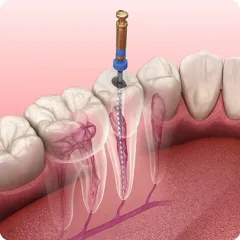
- Pulpotomy or pulpectomy: Often called baby root canals, these procedures can save infected teeth
- Preventive treatments: Fluoride varnish and dental sealants protect vulnerable teeth from decay
- Silver diamine fluoride: This non-invasive treatment can stop cavities from progressing
The Long-Term Benefits of Preservation
Keeping milk teeth healthy until they naturally fall out provides numerous long-term advantages. Children with healthy baby teeth typically have better-aligned permanent teeth, reducing or eliminating the need for extensive orthodontic treatment. They develop clearer speech patterns, maintain better nutrition through proper chewing, and experience fewer dental problems in adulthood.
Children who grow up with healthy teeth also tend to have better oral hygiene habits that last a lifetime. They learn that dental care is important and carry this knowledge into adulthood, leading to better overall health outcomes.
Creating a Dental Care Routine
Establishing good habits early makes preservation easier. Make brushing fun by using colorful toothbrushes, playing music, or using timer apps designed for kids. Lead by example by brushing your teeth together as a family. Praise your child's efforts and celebrate cavity-free checkups.
Educate your child about why teeth are important in age-appropriate ways. Books, videos, and dental-themed games can help young children understand the importance of dental care without fear or anxiety.
The Bottom Line
Milk teeth are far more important than many parents realize. These temporary teeth lay the foundation for a lifetime of oral health, proper development, and confident smiles. By prioritizing baby teeth preservation through good oral hygiene, regular dental visits, and prompt treatment of any problems, you give your child the best possible start for their permanent teeth.
Remember, every baby tooth matters. If your child experiences any dental problems, consult your pediatric dentist immediately to explore all options for preservation before considering extraction. Your child's future smile depends on the care their milk teeth receive today.